Chemical processing flooring
Floor systems engineered to resist the acids, solvents and caustic chemicals that destroy standard coatings in chemical processing environments.
When the floor faces the same chemicals your process does
Chemical processing facilities expose floors to acids, alkalis, solvents and caustic cleaning agents that few standard coating systems survive long term. A floor failure here is not just a maintenance issue. It creates containment risks, safety hazards and regulatory problems that shut operations down.
We specify and install chemical-resistant flooring across Indianapolis, Indiana, Louisville, Kentucky, Illinois and Ohio for facilities that handle everything from mild cleaning chemicals to concentrated industrial acids. Every project starts with a full chemical exposure assessment: every substance your floor contacts, the concentrations, the temperatures and how often. Getting the specification wrong in a chemical environment means the floor fails, and we do not let that happen.
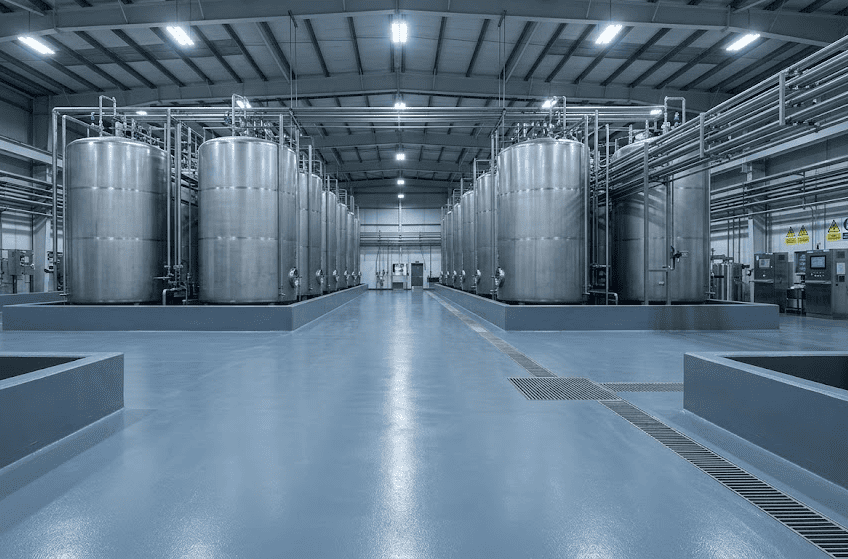
What drives flooring decisions in chemical processing
Chemical resistance specification
Every system must be specified against the exact chemicals, concentrations and temperatures in your facility.
Secondary containment
Floors in chemical storage and handling areas must form a liquid-tight barrier that contains spills and prevents ground contamination.
Seamless construction
No joints or seams means no pathways for chemicals to penetrate the slab and cause subsurface damage.
Thermal and shock resistance
Hot liquids, steam cleaning or rapid temperature changes require systems that do not crack or delaminate under thermal stress.
Slip resistance
Chemical spills and wet floors require textured surfaces that maintain reliable traction for worker safety.
Regulatory compliance
Chemical facilities must meet EPA secondary containment requirements and OSHA standards for hazardous material areas.
Systems we recommend
The floor systems we specify most often for chemical processing facilities.
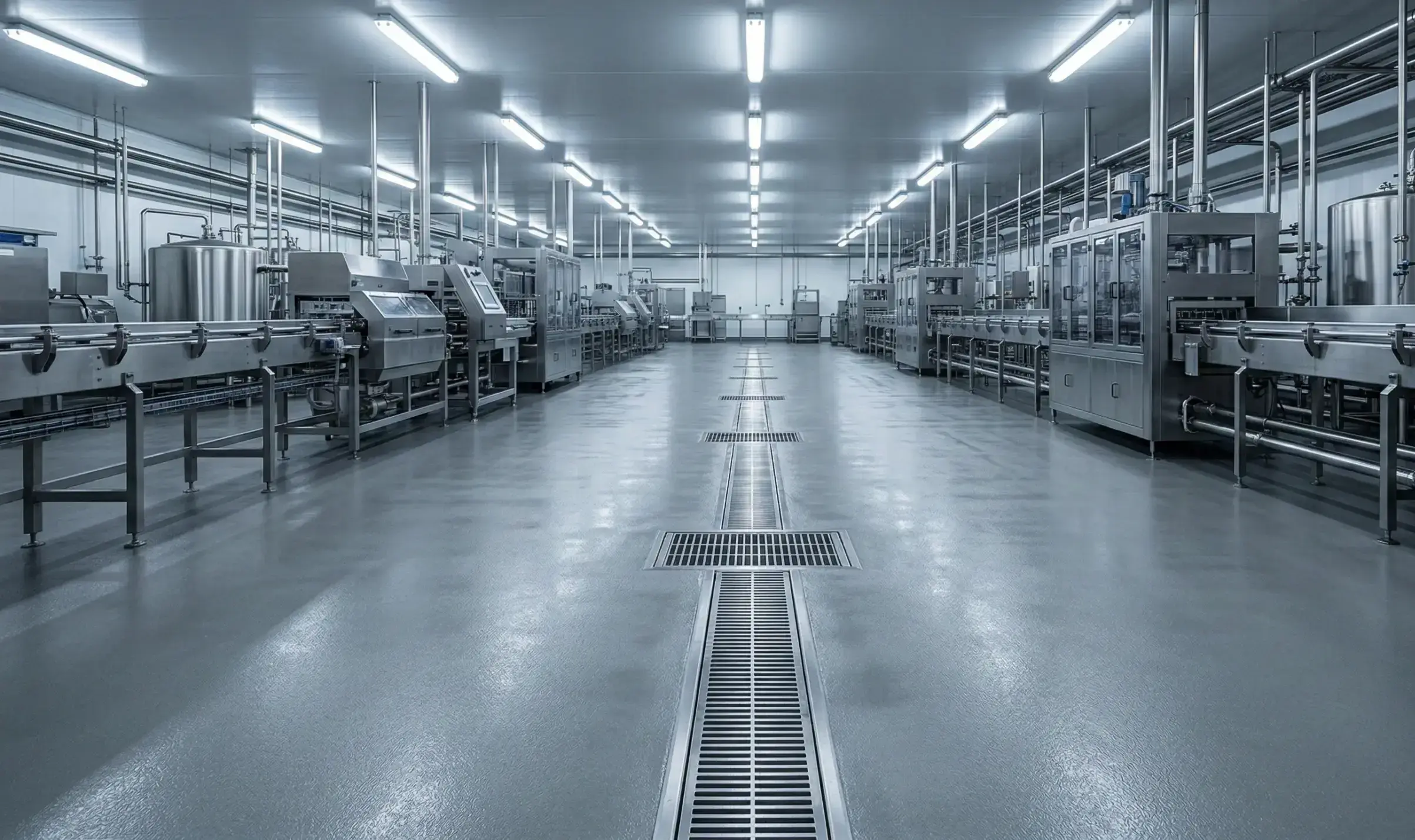
Urethane concrete
Thermal-shock resistant, chemical-proof and slip resistant for the harshest environments.
Urethane concrete details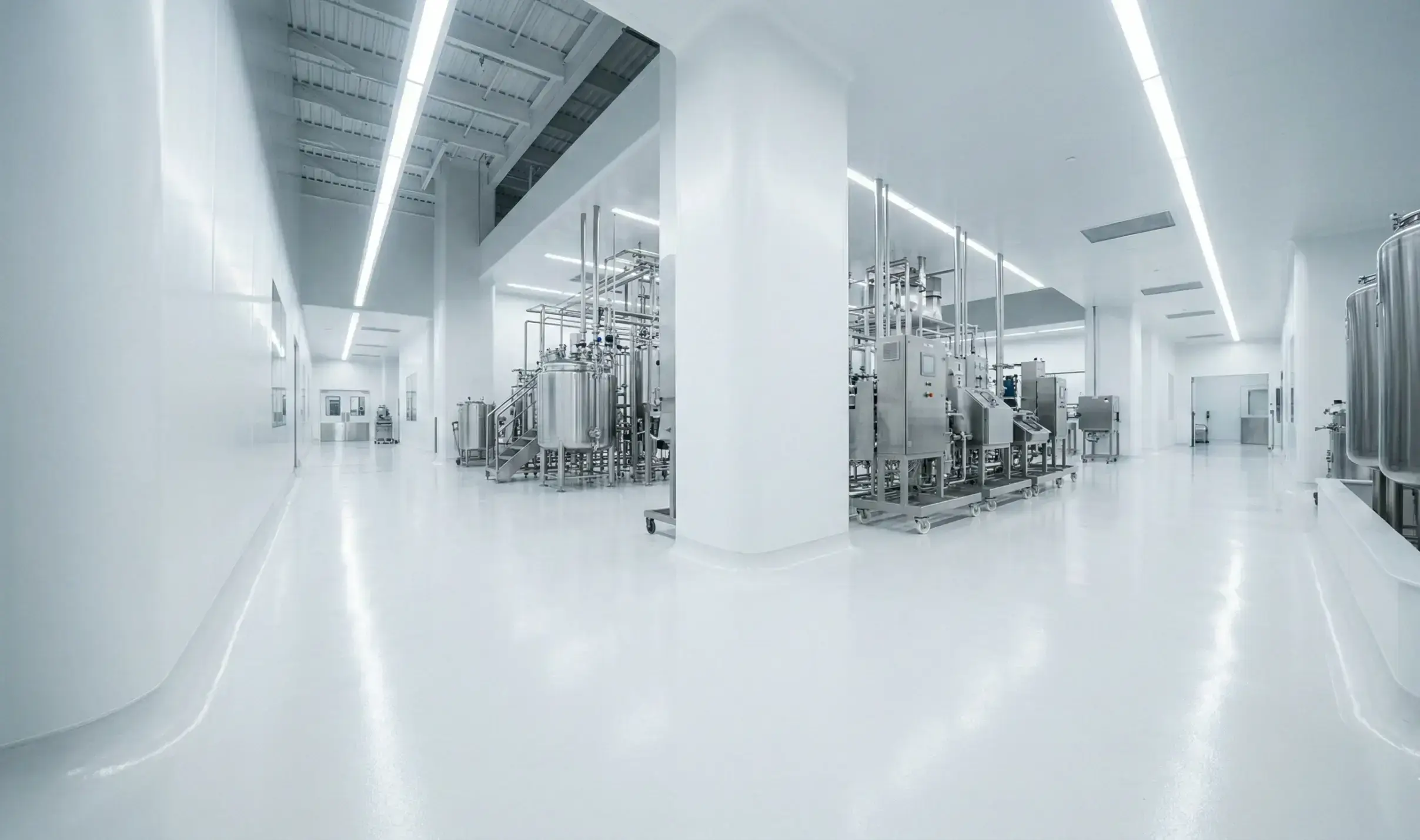
Epoxy wall & cove
Floor-to-wall protection with no joints where bacteria and moisture can hide.
Epoxy wall & cove details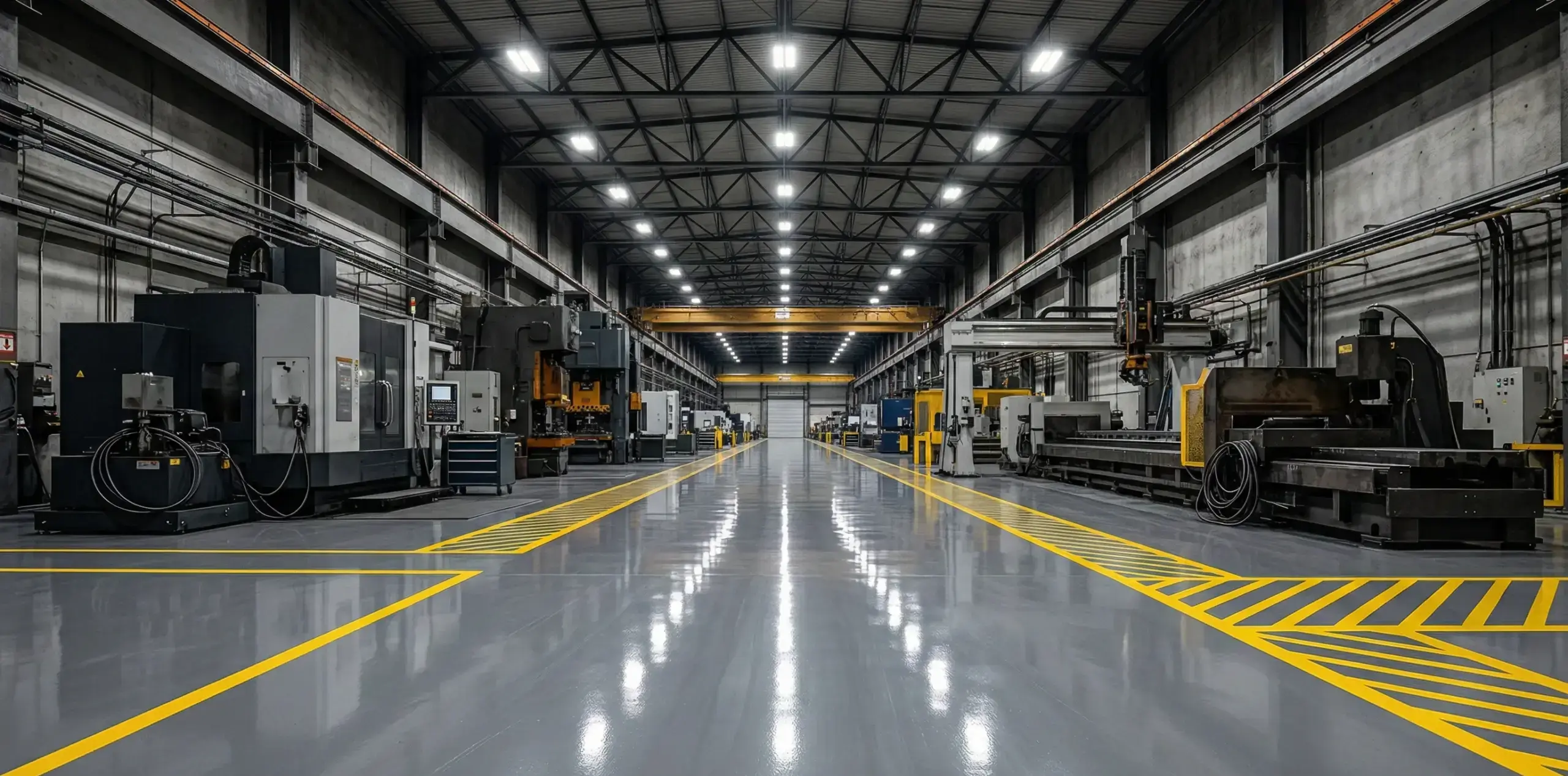
Industrial epoxy
High-build, multi-layer systems for heavy loads, chemical exposure and non-stop operations.
Industrial epoxy details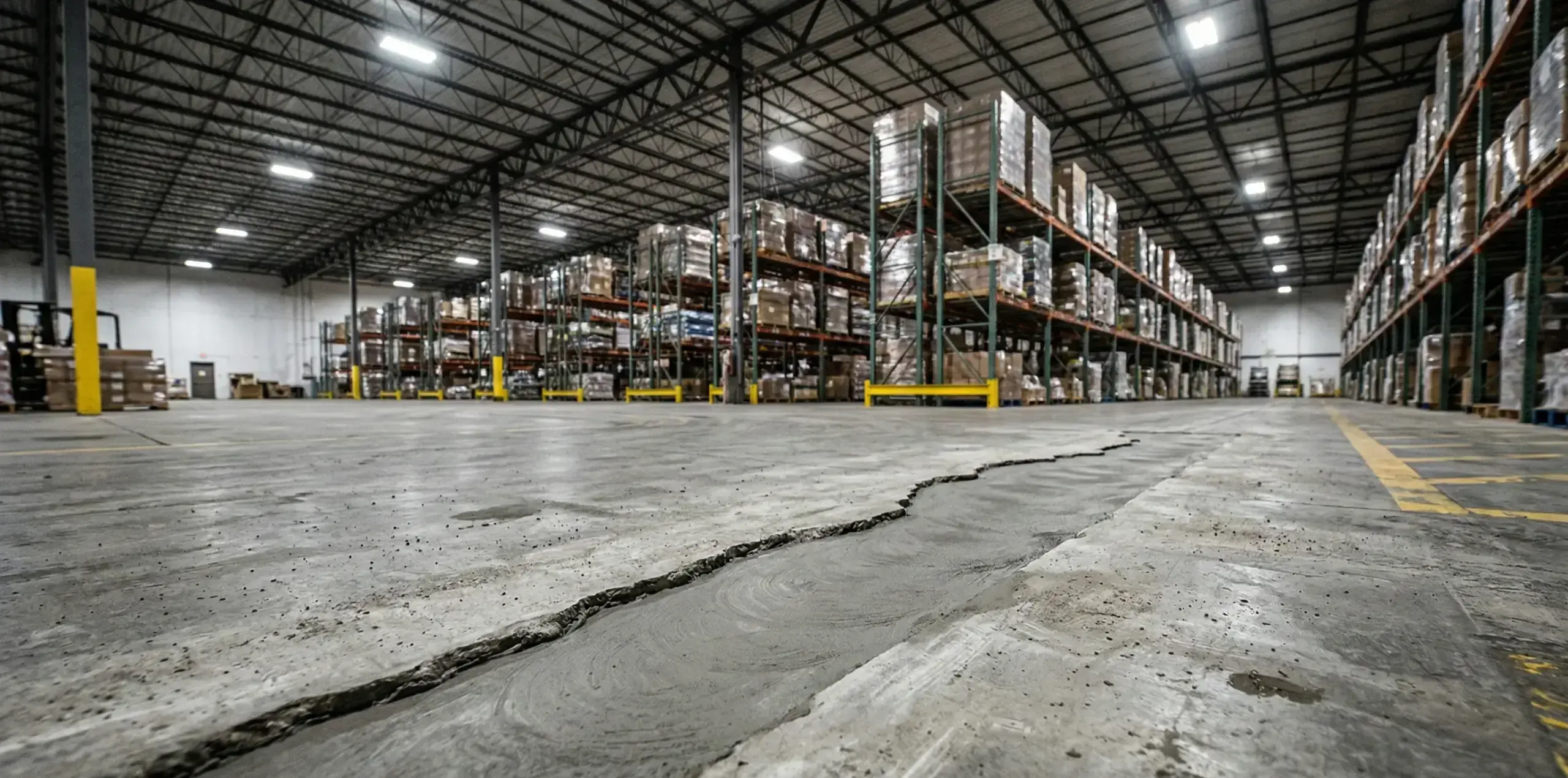
Joint & crack repair
Stabilize, fill and grind flush, as a standalone fix or before any coating goes down.
Joint & crack repair detailsChemical processing flooring FAQs
Have a question about your facility? Call (317) 525-1154.
Great service all the way from the quote process to how they handled themselves inside our facility. Great quality on the floor as well.
How do you determine which flooring system is right for our chemical facility?
We start with a full chemical exposure assessment: every substance your floor contacts, the concentrations, temperatures and frequency of exposure. We then cross-reference that against the chemical resistance data for each system before making a recommendation.
Can epoxy floors handle concentrated acids?
Standard epoxy cannot. For concentrated acid exposure we specify novolac epoxy or urethane systems formulated for high chemical resistance. The system depends on the acid type and concentration in your facility.
What is secondary containment and do we need it?
Secondary containment is a liquid-tight floor and berm system that captures chemical spills before they reach drains or the surrounding environment. EPA regulations require it for facilities storing certain quantities of hazardous chemicals. We assess your storage layout and specify the correct containment during our site visit.
How do you handle floor penetrations and drains in a chemical facility?
Penetrations, drains and transitions are the most vulnerable points in any chemical-resistant floor. We detail them carefully with compatible sealants and cove treatments so the whole system keeps its chemical resistance at every transition.
How long do chemical-resistant floor systems last?
Properly specified and installed systems typically last 10 to 15 years. The biggest factors are correct product selection for the chemicals present and thorough surface preparation. A system specified for the wrong chemicals fails far sooner, regardless of installation quality.
Recent projects
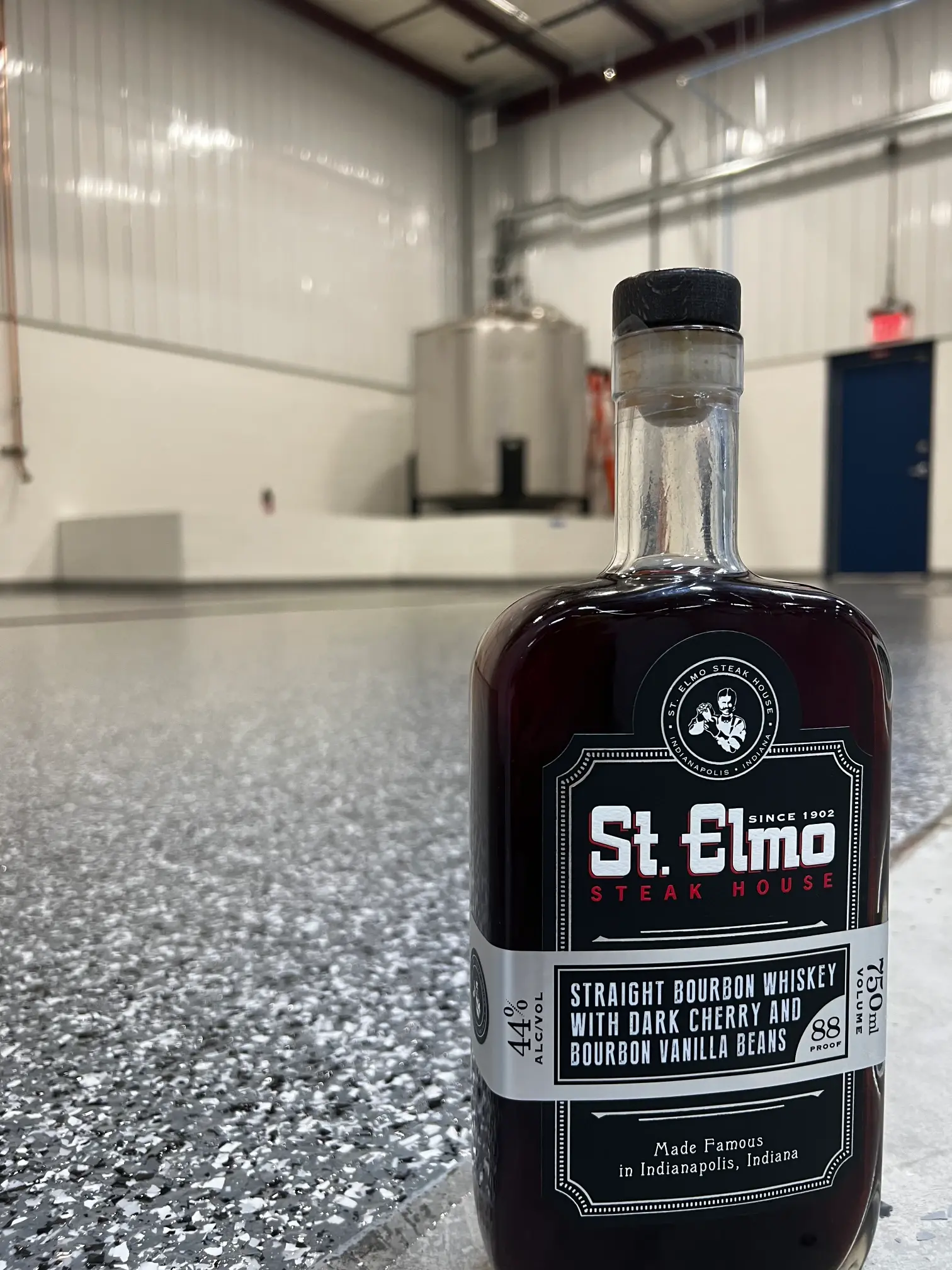
Real floors, photographed on the job. See all projects
Flooring for your chemical processing facility
Tell us what the floor goes through and when you can shut an area down. We'll come back with the right system and a clear price.