Pharmaceutical and healthcare flooring
Seamless, cleanroom-grade floor systems that meet the contamination control, chemical resistance and regulatory standards of pharmaceutical and healthcare environments.
Flooring that meets the standards your facility is held to
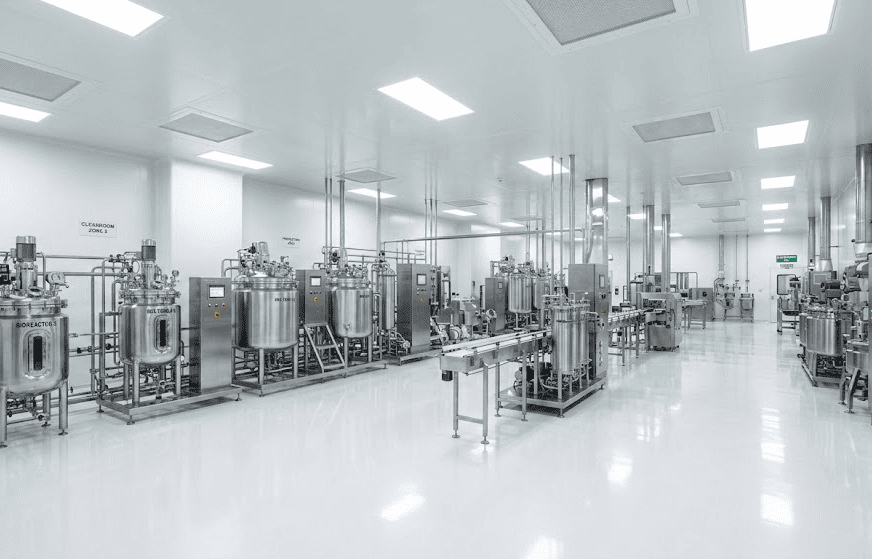
Pharmaceutical and healthcare facilities operate under some of the strictest contamination control and regulatory requirements of any industry, and the floor is part of that control system. It must be seamless to prevent microbial harborage, chemical resistant to handle disinfectants and solvents, and cleanable to FDA, cGMP and cleanroom classification standards.
We install flooring across Indianapolis, Indiana, Louisville, Kentucky, Illinois and Ohio for pharmaceutical manufacturing, compounding pharmacies, hospital environments and medical device facilities. Every system is selected for the contamination class of the space, the chemicals used for cleaning and disinfection, the traffic load and your documentation requirements. In these environments the floor is not just infrastructure, it is part of your quality system.
What drives flooring decisions in pharmaceutical and healthcare
cGMP and FDA compliance
Floor systems must support cGMP requirements for cleanable, non-shedding, non-porous surfaces in manufacturing and compounding areas.
Seamless, non-porous surface
Floors with no joints or pores eliminate microbial harborage points and can be cleaned and disinfected completely.
Disinfectant and solvent resistance
Floors must withstand the aggressive disinfectants, isopropyl alcohol and solvents used for routine contamination control.
ESD and static control
Electronic and sensitive manufacturing areas need electrostatic dissipative floors to protect products and equipment.
Cleanroom classification support
Floor systems must suit the contamination class of the space and support validation and documentation.
Low particle emission
Floor surfaces must not shed particles or fibers that could contaminate product or compromise cleanroom classification.
Systems we recommend
The floor systems we specify most often for pharmaceutical & healthcare facilities.
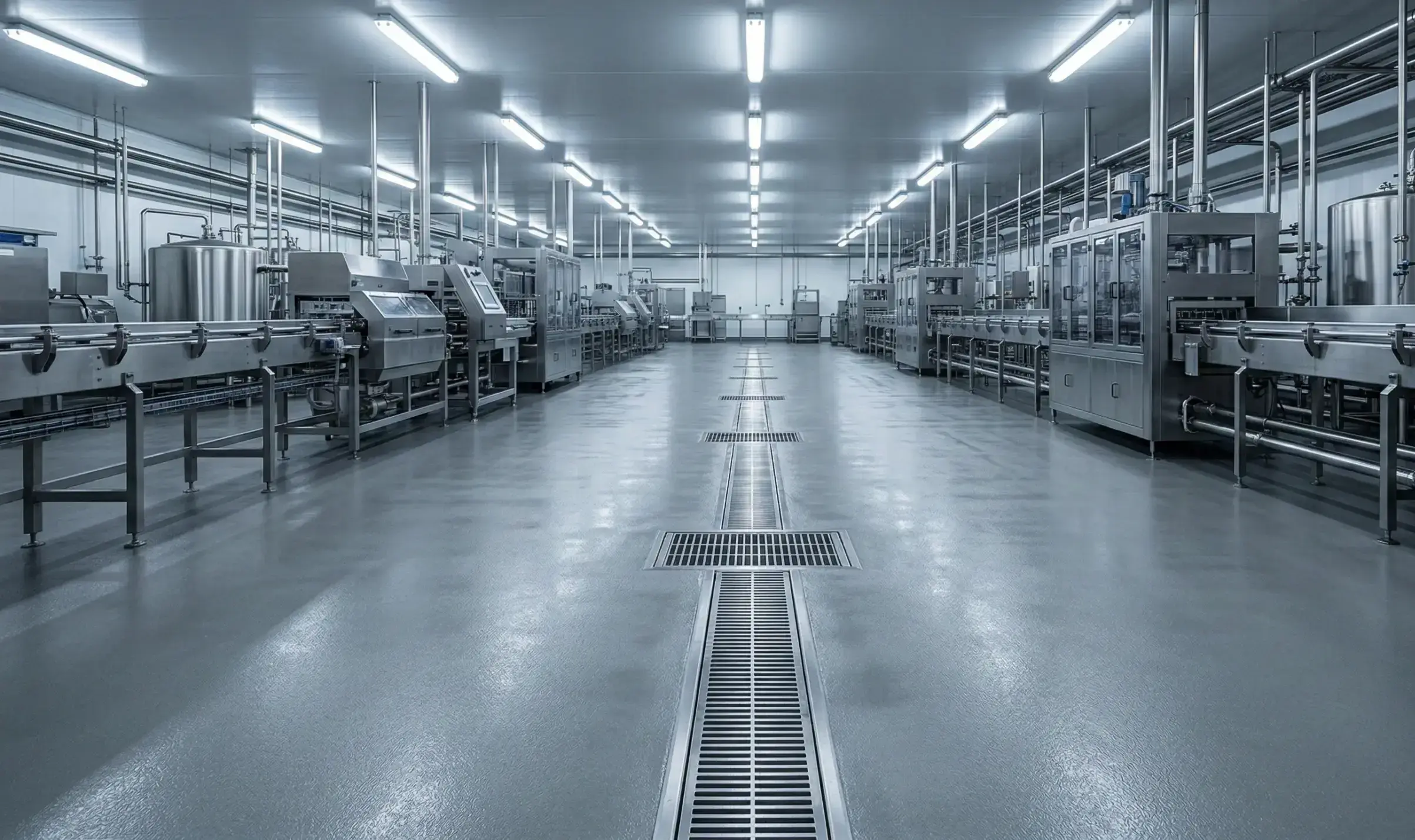
Urethane concrete
Thermal-shock resistant, chemical-proof and slip resistant for the harshest environments.
Urethane concrete details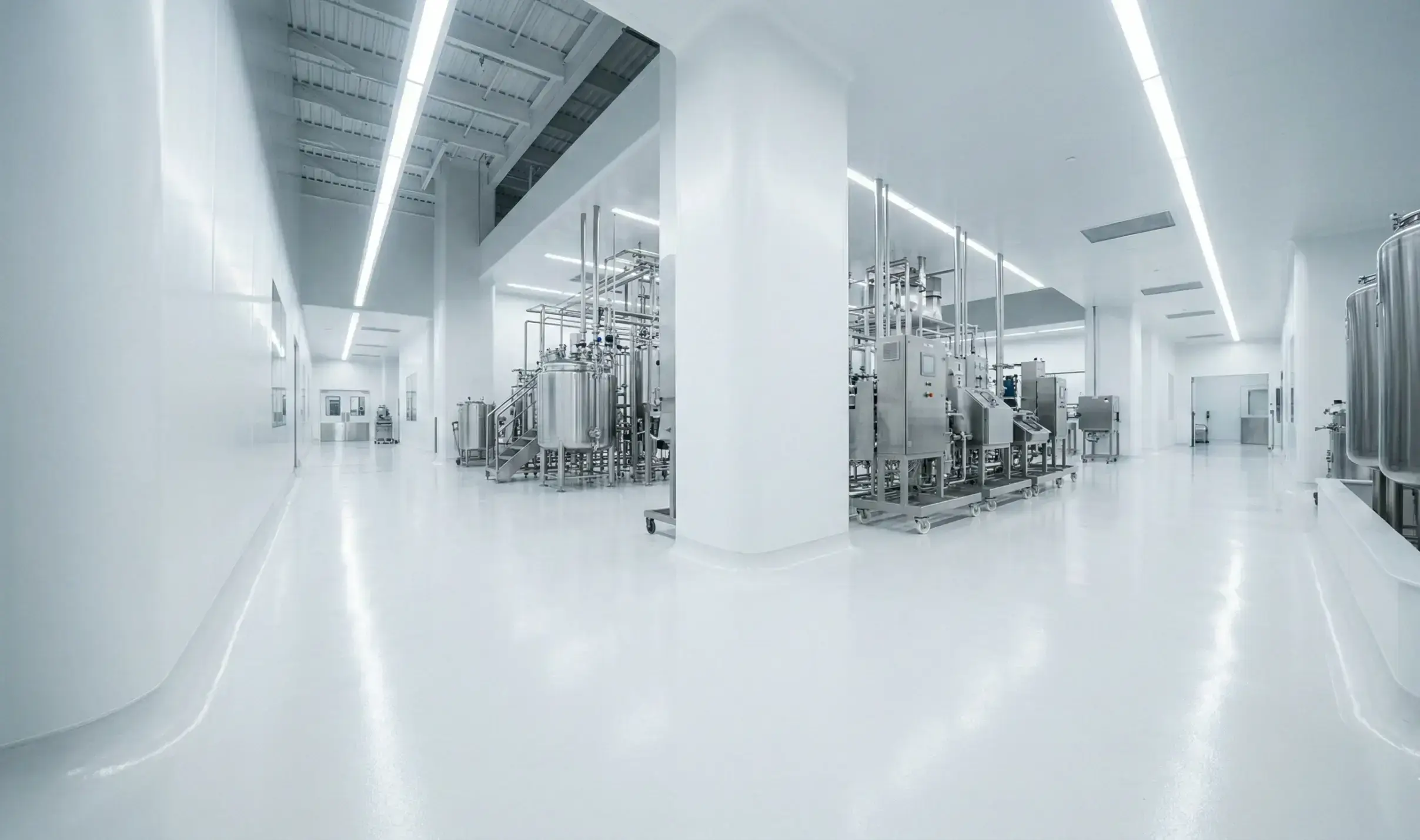
Epoxy wall & cove
Floor-to-wall protection with no joints where bacteria and moisture can hide.
Epoxy wall & cove details
Industrial epoxy
High-build, multi-layer systems for heavy loads, chemical exposure and non-stop operations.
Industrial epoxy details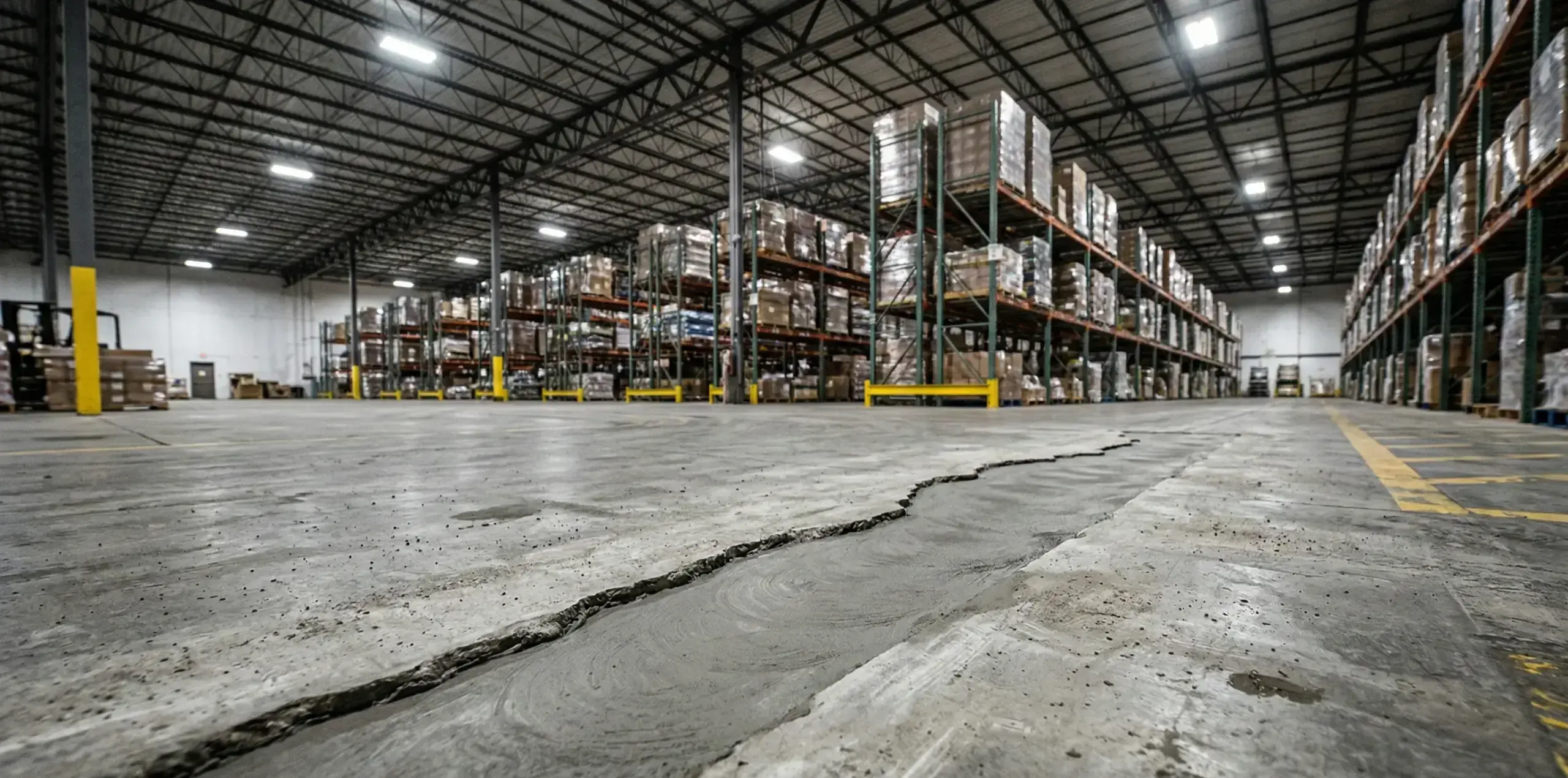
Joint & crack repair
Stabilize, fill and grind flush, as a standalone fix or before any coating goes down.
Joint & crack repair detailsPharmaceutical & healthcare flooring FAQs
Have a question about your facility? Call (317) 525-1154.
Alex and his crew have always been professional and have gone above and beyond on every project they have done for us. We have used them on several projects in the past and will continue to use them into the future.
Do your floor systems meet cGMP requirements for pharmaceutical facilities?
Yes. The seamless epoxy and urethane systems we install are non-porous, non-shedding and fully cleanable to cGMP standards. We can provide full product documentation, including technical data sheets and chemical resistance data for your validation records.
Can you install ESD flooring for electronics or sensitive manufacturing areas?
We install electrostatic dissipative epoxy floors where static discharge must be controlled. ESD systems require grounding copper tape beneath the coating, which we include as part of the installation.
How do we maintain a pharmaceutical-grade floor?
Seamless epoxy and urethane floors are maintained with standard pharmaceutical-grade disinfectants and cleaners compatible with the system. We provide a cleaning protocol specific to the products used, so your housekeeping team knows exactly what is safe.
Can flooring be installed without contaminating an active cleanroom?
Yes. We use low-VOC and zero-VOC systems where cleanroom air quality must be maintained, and we follow your cleanroom entry and containment protocols during installation. Planning includes reviewing your contamination control requirements before scheduling.
What is the difference between epoxy and urethane floors for a pharmaceutical facility?
Epoxy provides excellent chemical resistance, hardness and a non-porous surface suitable for most pharmaceutical and healthcare areas. Urethane is more flexible, handles thermal cycling better and is preferred where temperatures vary or cleaning protocols are aggressive. Many facilities use both.
Recent projects
Real floors, photographed on the job. See all projects
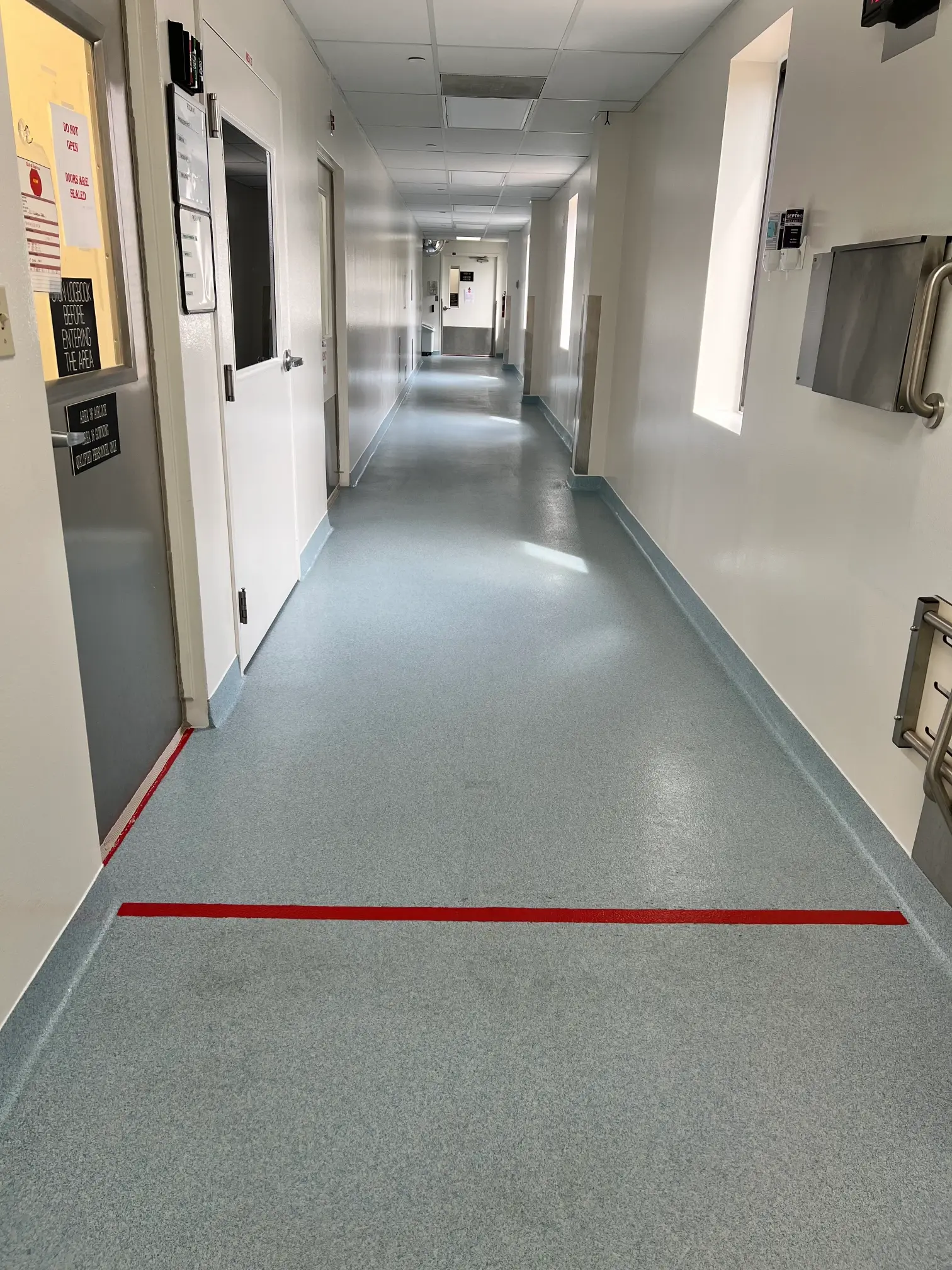
Flooring for your pharmaceutical & healthcare facility
Tell us what the floor goes through and when you can shut an area down. We'll come back with the right system and a clear price.