Food and beverage flooring
Seamless, hygienic floor systems built for the washdowns, thermal cycling and strict sanitation standards food and beverage facilities operate under every day.
Floors built for sanitation, not just durability
Food and beverage facilities put floors through demands no other industry matches. Steam cleaning, high-pressure hot washdowns, thermal cycling between freezer and ambient zones, acidic food byproducts and sanitizing chemicals all attack the floor at the same time. A standard epoxy coat does not survive long in these conditions, and a floor failure in a food facility means contamination risks, failed inspections and costly shutdowns.
We install floors engineered for food and beverage environments across Indianapolis, Indiana, Louisville, Kentucky, Illinois and Ohio: urethane concrete for processing and kitchen areas, epoxy wall and cove for seamless floor-to-wall sanitation, and joint repair to eliminate bacterial harborage points. We assess each area separately, because the right system for a processing floor is different from what belongs in a dry storage room or on a loading dock.
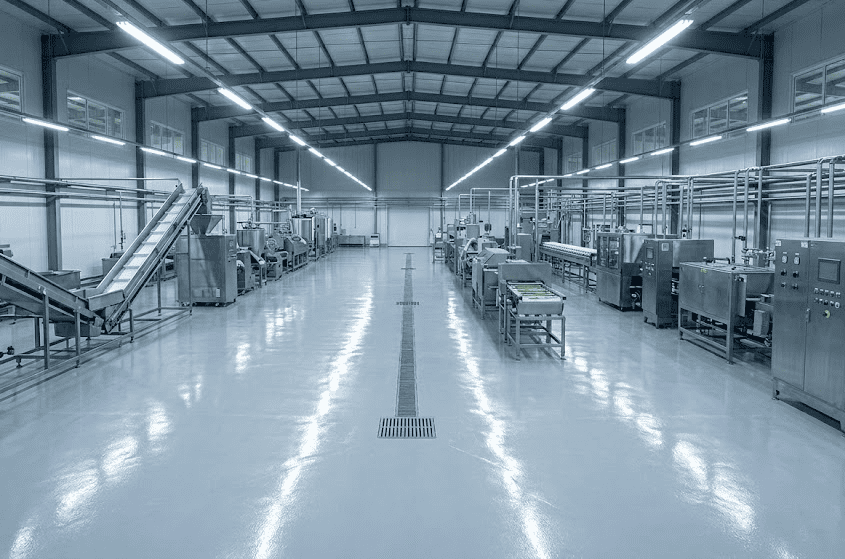
What drives flooring decisions in food and beverage
USDA and FDA compliance
Floors in food contact zones must meet USDA and FDA facility requirements for sanitary construction and cleanability.
Thermal shock resistance
Floors must handle rapid changes between hot steam cleaning, cold rinse water and freezer transitions without cracking.
Seamless hygienic surface
HACCP guidelines call for seamless floors and walls with no joints where bacteria, moisture and food debris can collect.
Chemical resistance
Daily exposure to acidic byproducts, caustic cleaners and sanitizers requires a purpose-built chemical-resistant system.
Slip resistance
Wet and greasy processing environments need textured surfaces that meet OSHA and HACCP traction requirements.
Minimal production downtime
Fast-cure systems allow installation during scheduled shutdowns so lines are back running quickly.
Systems we recommend
The floor systems we specify most often for food & beverage facilities.
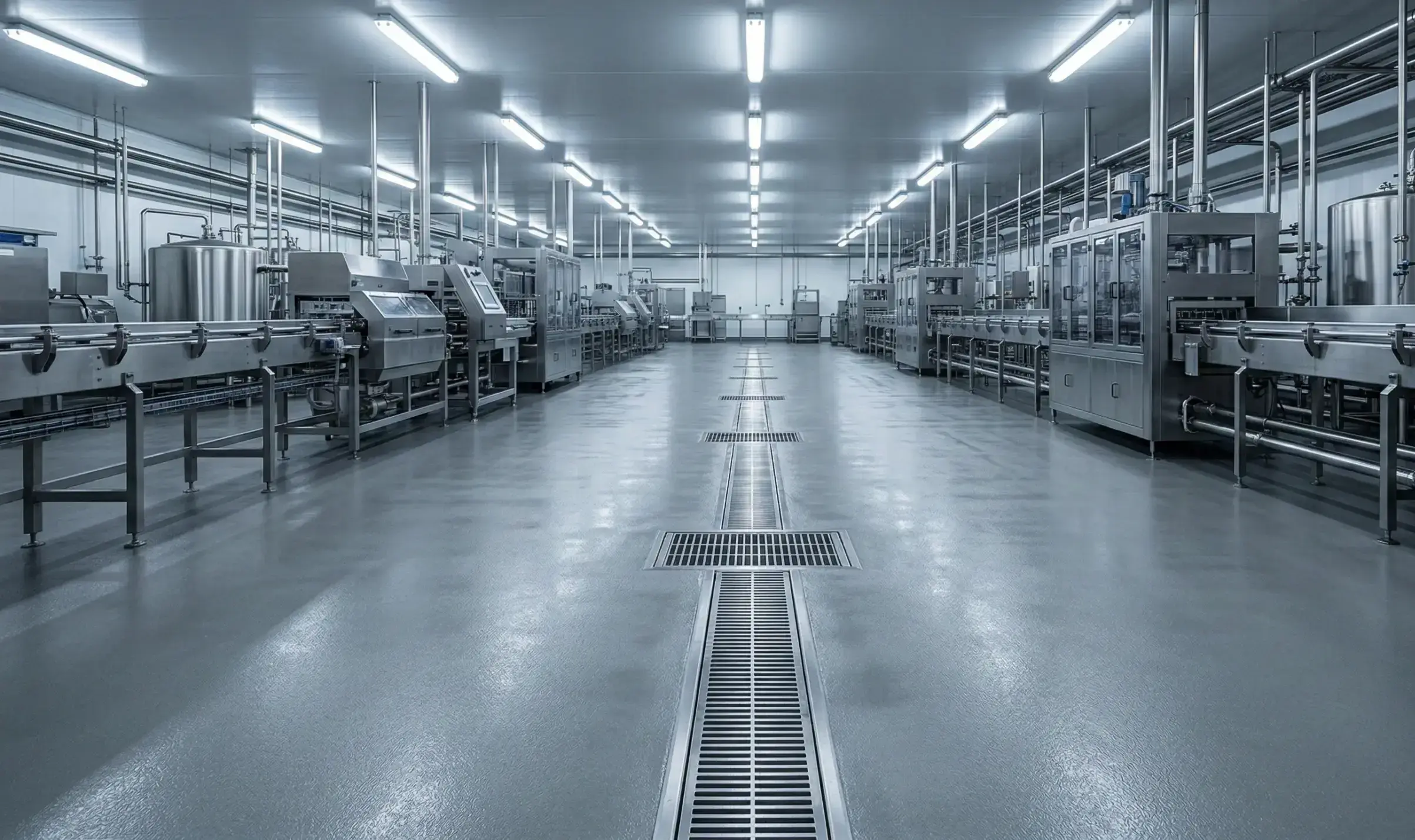
Urethane concrete
Thermal-shock resistant, chemical-proof and slip resistant for the harshest environments.
Urethane concrete details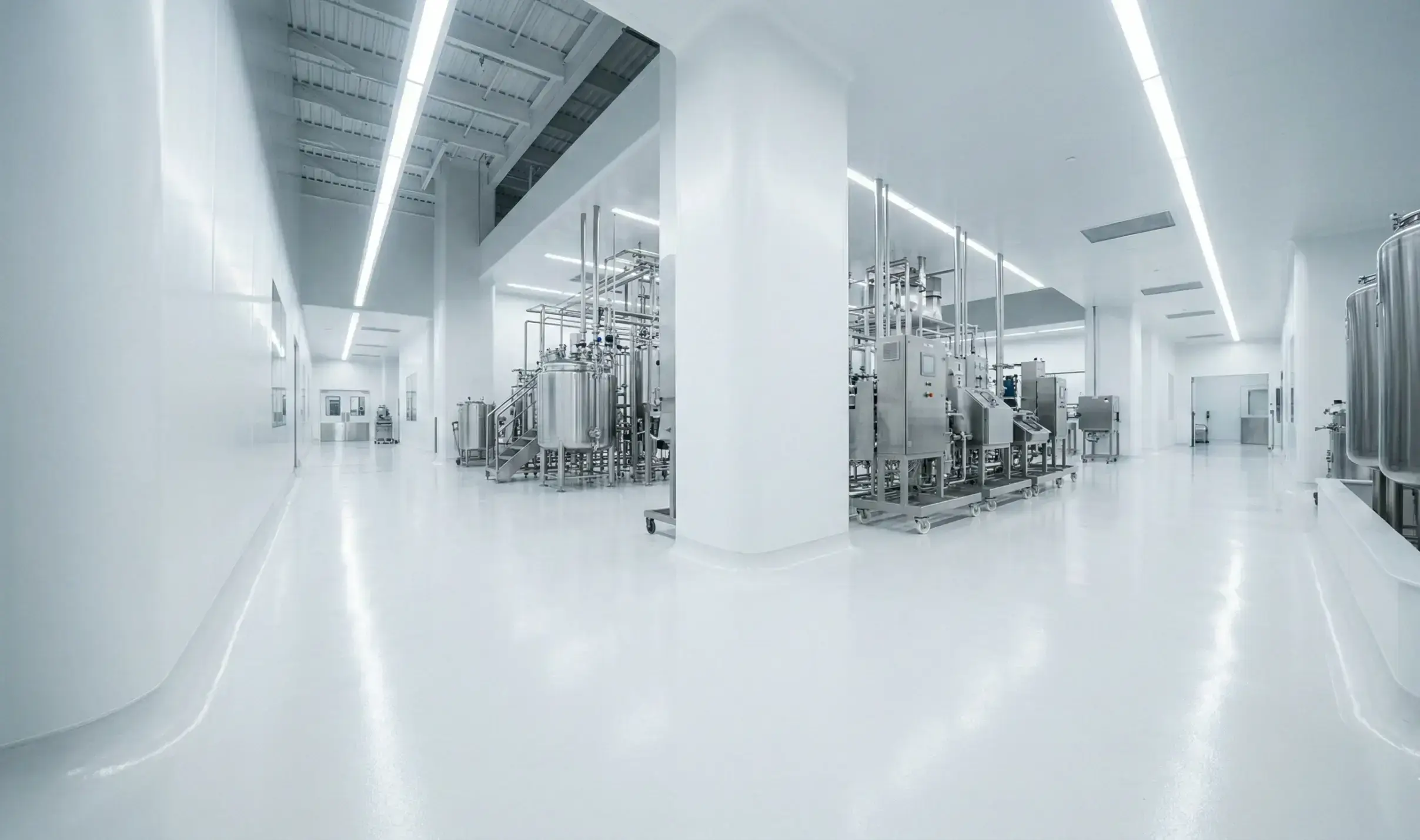
Epoxy wall & cove
Floor-to-wall protection with no joints where bacteria and moisture can hide.
Epoxy wall & cove details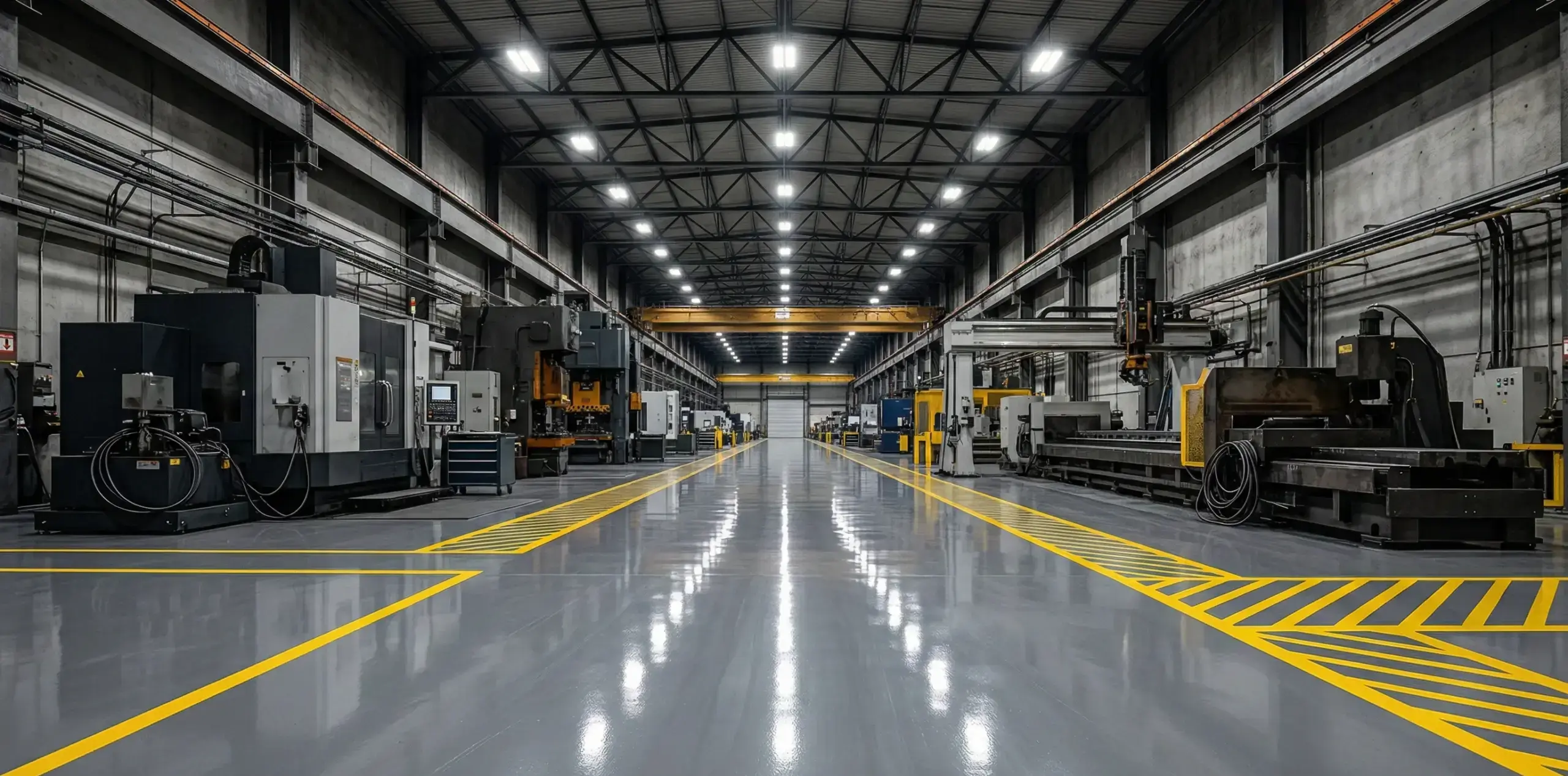
Industrial epoxy
High-build, multi-layer systems for heavy loads, chemical exposure and non-stop operations.
Industrial epoxy details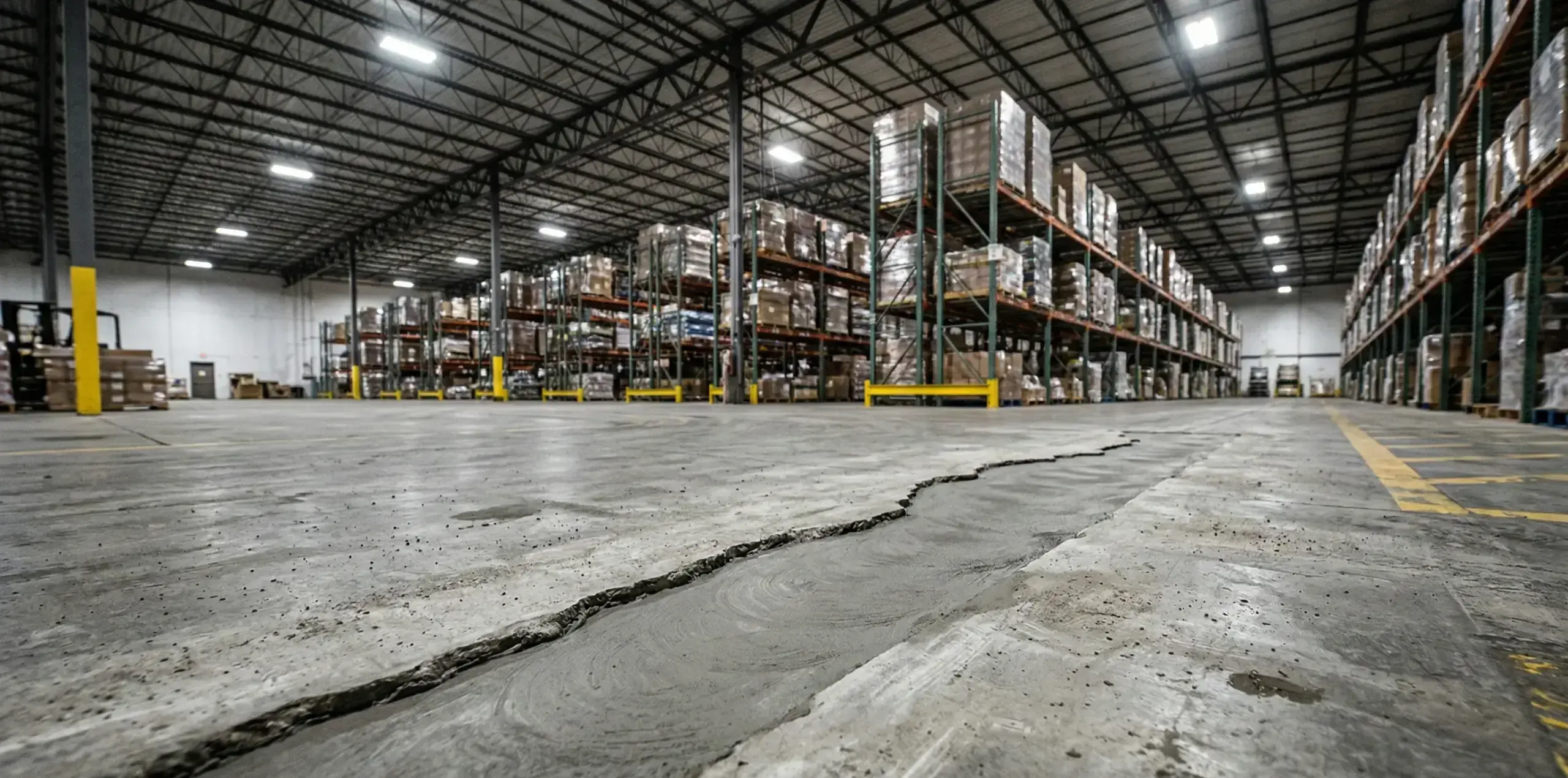
Joint & crack repair
Stabilize, fill and grind flush, as a standalone fix or before any coating goes down.
Joint & crack repair detailsFood & beverage flooring FAQs
Have a question about your facility? Call (317) 525-1154.
Alex and his crew have always been professional and have gone above and beyond on every project they have done for us. We have used them on several projects in the past and will continue to use them into the future.
Can flooring be installed while our facility is still operating?
Yes. We phase the installation around your production schedule, sectioning off areas and moving to the next zone once each is cured. Fast-cure urethane systems let many food and beverage facilities return to full operation within 24 hours in each zone.
Do your flooring systems meet USDA and FDA requirements?
The urethane concrete and epoxy wall and cove systems we specify for food contact zones are accepted in USDA and FDA regulated facilities. We can provide product data sheets and compliance documentation during the project.
How do the floors hold up to daily steam cleaning and washdowns?
Urethane concrete is engineered for exactly this. It handles thermal cycling from high-temperature steam to cold rinse water without cracking or delaminating. Standard epoxy is not suitable for this level of thermal stress, which is why we specify urethane concrete for processing and kitchen areas.
Do you install flooring in freezer and cooler areas?
Yes. We specify systems that perform in both freezer and ambient zones without cracking at the temperature transitions. Moisture testing and proper substrate preparation are critical in these areas before any coating is applied.
What is the cove base and why does it matter in food facilities?
A cove base is a curved, seamless transition between the floor and wall that eliminates the right-angle joint where bacteria and contamination collect. It is a standard requirement in regulated food processing environments and is part of our epoxy wall and cove system.
Recent projects
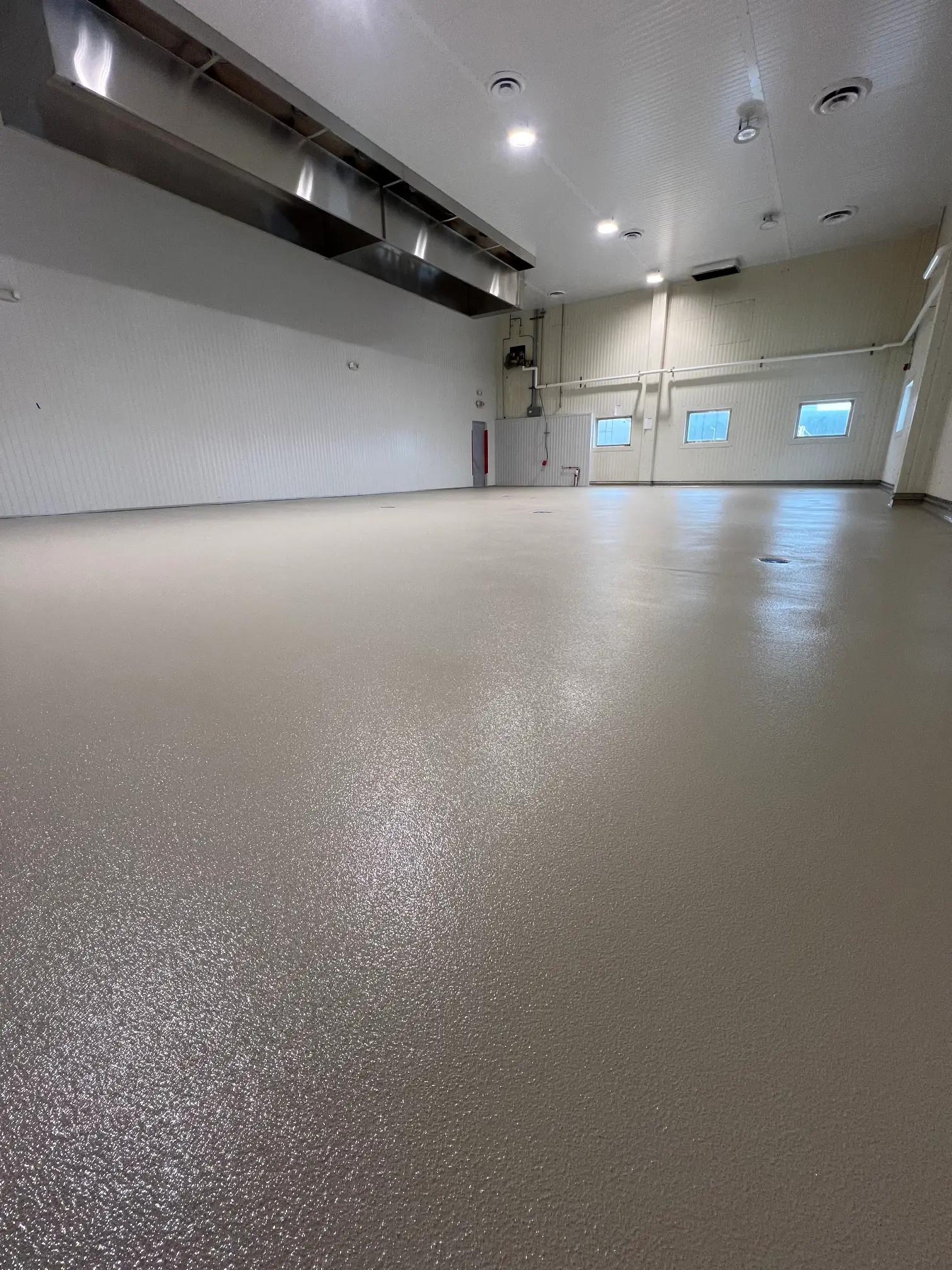
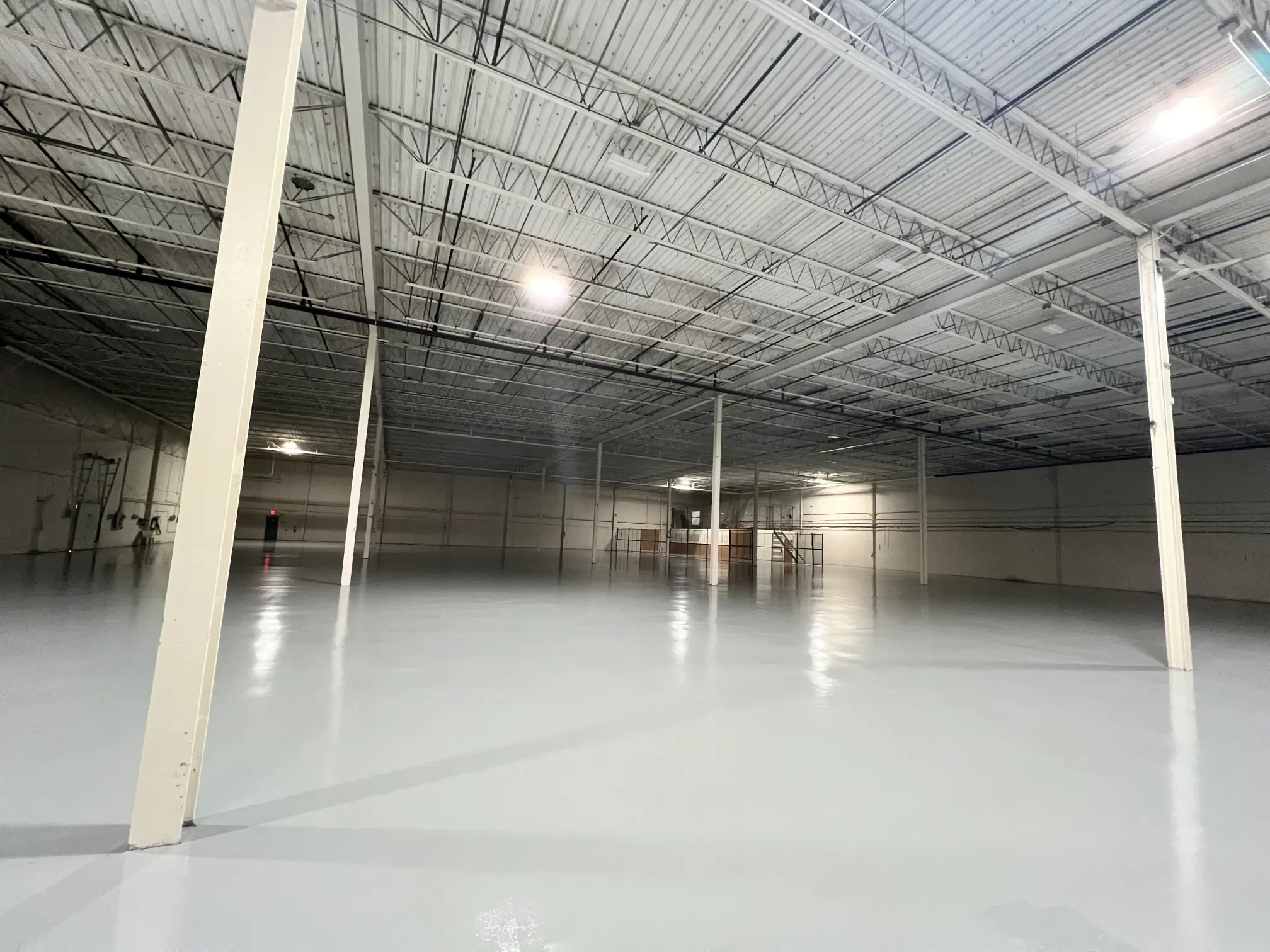
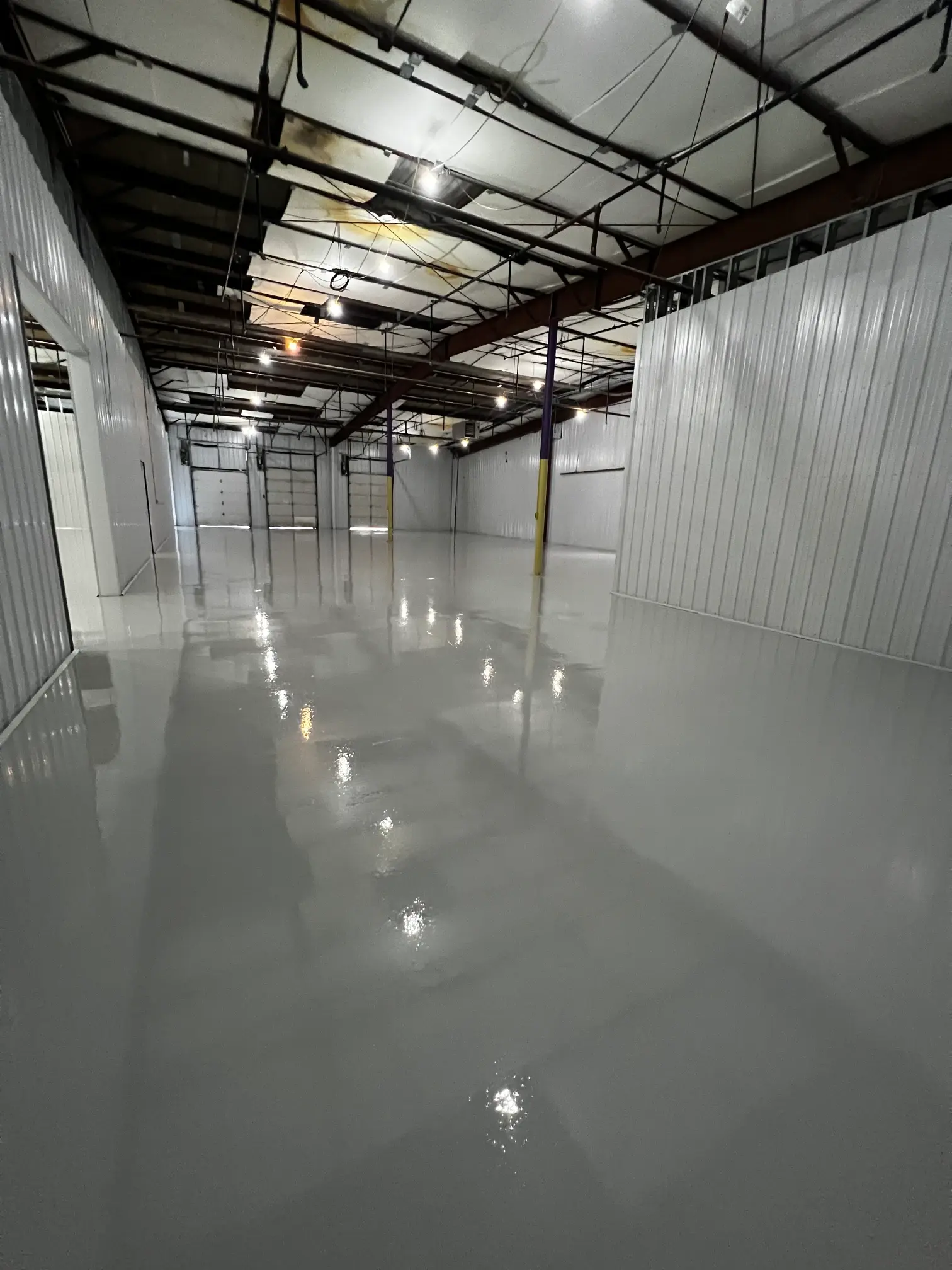
Real floors, photographed on the job. See all projects
Flooring for your food & beverage facility
Tell us what the floor goes through and when you can shut an area down. We'll come back with the right system and a clear price.